
Wardrobe tag
- A costume supervisor breaks down the script, gathers research and decides whether to shop for, buy, rent or build each costume.
- Figure makers build dress forms matched to an actor’s measurements, because actors cannot attend every fitting.
- Local 705 says almost every piece of clothing on screen has been custom altered to fit.
A costume on screen looks effortless, which is the point. Behind it is a chain of specialists, and in Los Angeles most of them belong to the Motion Picture Costumers, IATSE Local 705. The union’s descriptions of its own job classifications are the clearest public account of how a costume moves from a designer’s idea to an actor on set. Here is that path, step by step.
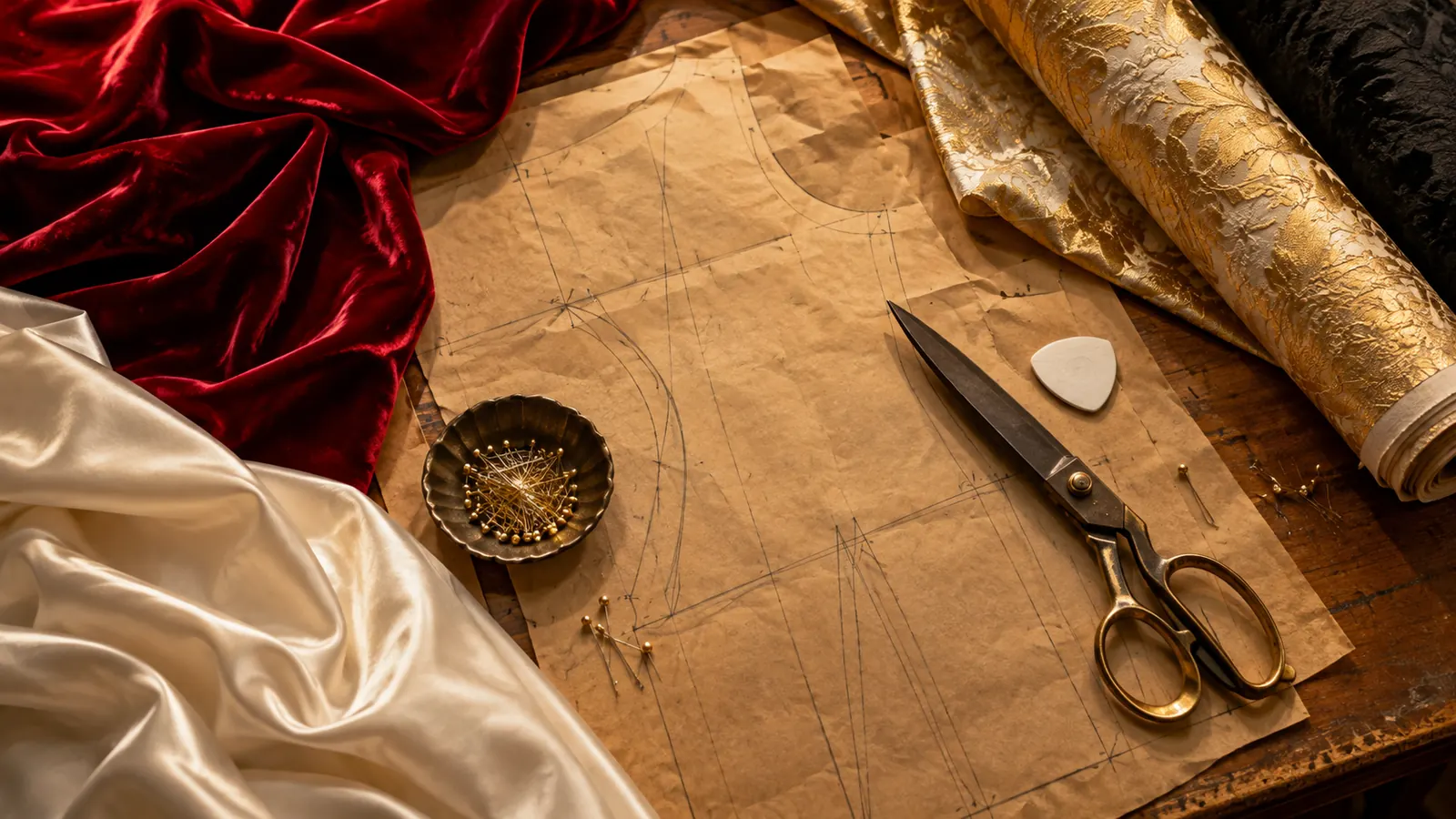
1. The design and the breakdown
The costume designer sets the look; designers have their own union, the Costume Designers Guild, covered in The Costume Designers Guild, Local 892: Who It Represents and How to Join. To make the design happen, the costume department supervisor organizes the department. Local 705 says the supervisor hires costumers, breaks down scripts and acquires research materials, so that every scene, character and costume change is accounted for before anything is cut.
2. Buy, rent or build
Not every costume is made from scratch. The supervisor shops for, purchases or rents the necessary costumes, finds existing pieces and supervises manufacture of the rest. Finished costumers handle shopping for fabrics and garments and pulling costumes from rental houses. Studio costume houses store and rent previously used costume pieces; see Renting Costumes in Los Angeles: Studio Costume Departments and Union Costume Houses.
3. Patterns and the dress form
When a costume is built, the custom made department takes over. Its members are divided into women’s, men’s and, increasingly, specialty custom made, a division Local 705 says has grown with superhero, science fiction and fantasy productions.
- A pattern maker and fitter makes patterns, cuts the fabric pieces and fits women’s garments from the designer’s sketches, and advises on fabrics and notions. In Hollywood, Local 705 notes, a draper is not a pattern maker, unlike in theater.
- A tailor cutter drafts men’s patterns, cuts materials and fits suits to actors.
- A figure maker takes measurements, builds or alters a dress form to match an actor’s dimensions, and fits muslin patterns, because an actor’s time is precious and they cannot be on hand for every step.
4. Cutting, stitching and finishing
A table person, called a first hand elsewhere, cuts material from the patterns, marks it and hands the pieces to stitchers and finishers. Hollywood drapers and stitchers arrange, pin, baste and stitch the pieces under the pattern maker or table person, making sure the garment is accurate and durable. Men’s suits go to coat, pant and vest makers, and shirt makers sew the shirts. Beaders add beadwork by hand or with specialty machines; the union notes this is especially important in period clothing. Milliners make and refurbish the hats.
5. Color, age and wear
New fabric rarely looks right on camera as it comes off the bolt. A head dyer oversees dyeing, painting and other changes to fabric and garments, from subtle to ornate, and dyers carry out the work. Both also age and distress costumes to give them a lived-in feel. Local 705 points out that head dyers must also be safety experts, because some of the chemicals they use are highly toxic without proper protocols, equipment and ventilation.
Tip: Spotting the craft on screen: look for wear at elbows, cuffs and hems. In the union’s own words, aging can make something brand new look like it has been through hell.
6. Fittings and alterations
Fittings bring the costume and the actor together. Alteration fitters and tailor fitters alter existing garments to fit the cast to the designer’s specifications, and Local 705 says almost every piece of clothing seen on a movie, television show or commercial has been custom altered to fit. They also specialize in alterations that can be reversed, so rented costumes can go back to the costume house without permanent changes.
7. Specialty builds
Superhero suits, aliens, and elven warriors and wizards go to specialty teams. Special costume keypersons lead them, working in unusual fabrics, plastics, metals and other materials, and the union notes that many specialty costumers began in cosplay before becoming master artisans. Wardrobe specialty manufacturers build, repair and alter these pieces, while special operators handle what theater calls costume crafts: masks, headpieces and odds and ends, along with special painting and dyeing of materials. Finishers add the last details, by machine or by hand: trimmings, lace and embellishments.
8. On set: continuity
Once shooting starts, finished costumers acquire, organize, monitor and maintain the costumes worn by principal actors and background performers. Local 705 calls its members continuity guards: the people who make sure each performer arrives dressed in character, scene after scene. When a costume is damaged during filming, the custom made department repairs it. To see where these jobs fit in a career, read Working in a Los Angeles Costume Department: Jobs, Rosters and the Paths Into Local 705.